Handloom Fabrics Makers of Nepal - HFMN

Reviving Nepal’s Handloom, Silk, Natural Fibers, Wool and Natural Color Heritage

An ESG-committed national organization building sustainable, inclusive and market-linked textile ecosystems across Nepal.

42+

Artisan Clusters

100%

Natural Fibers

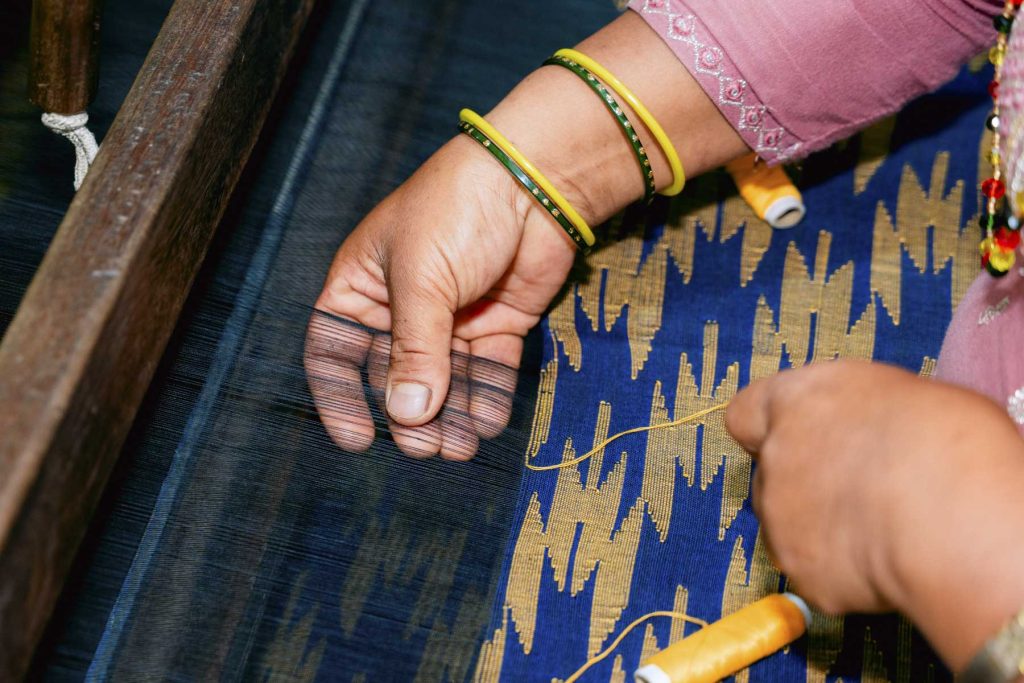
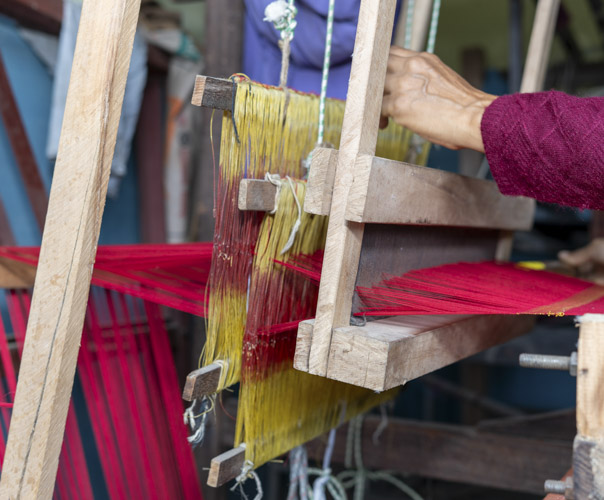
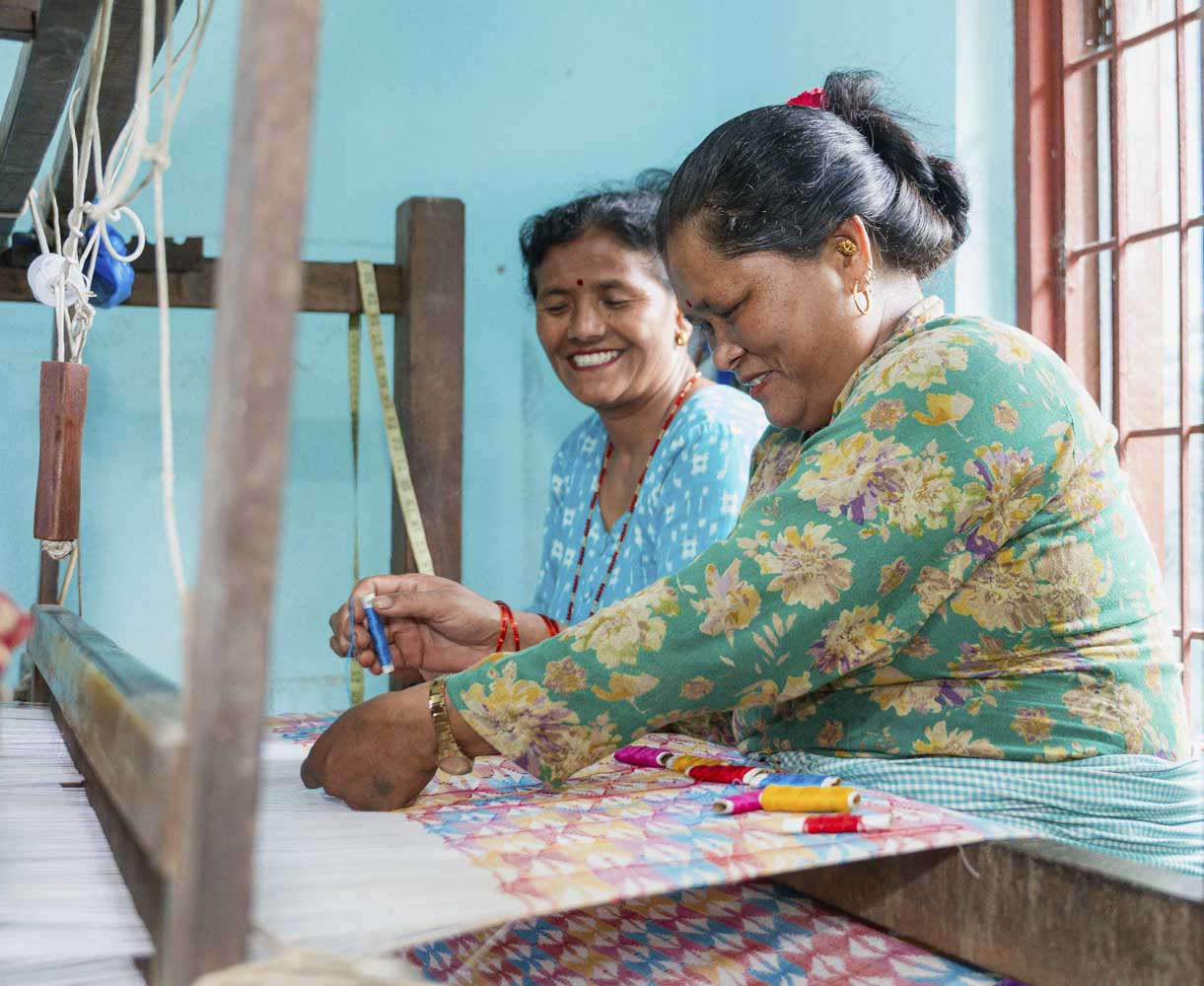
Nepali weaver at a traditional handloom

Kathmandu Valley, Tokha

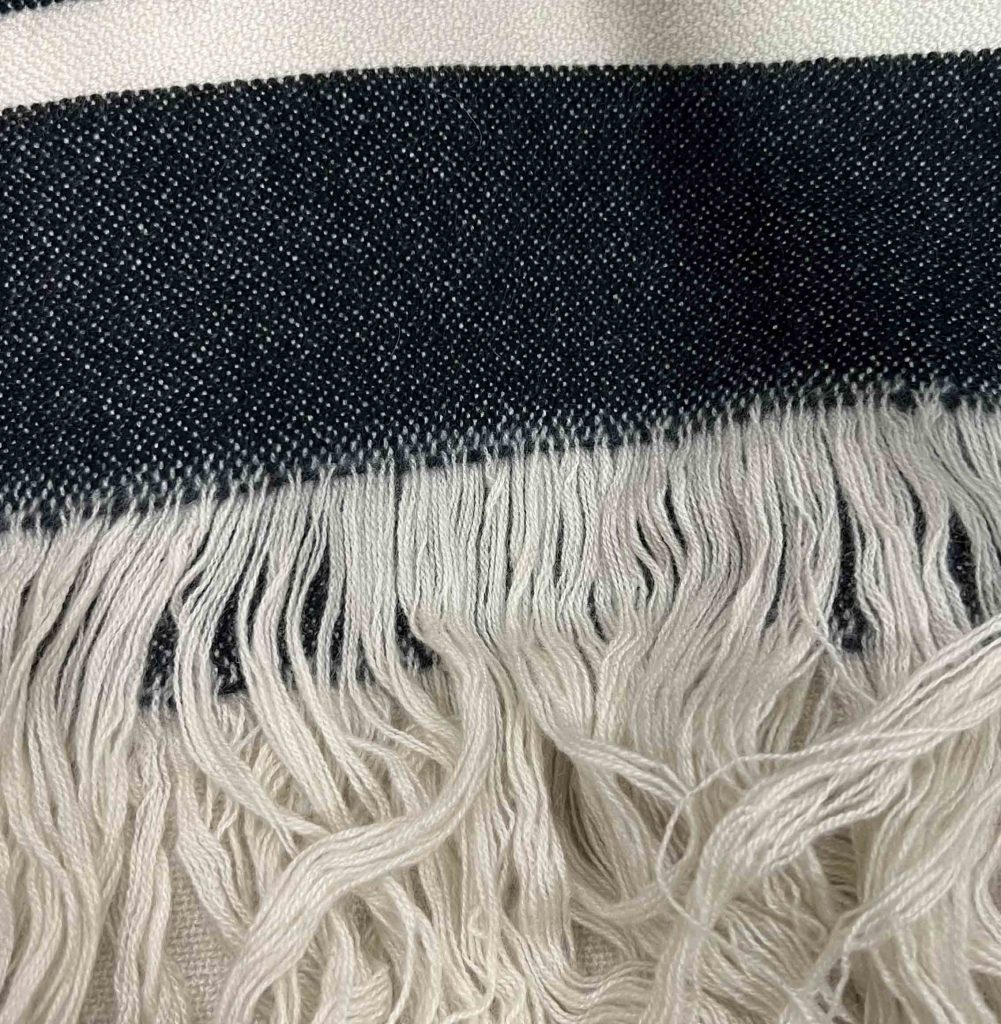
Handloom cotton & Dhaka

Master weavers' cooperative

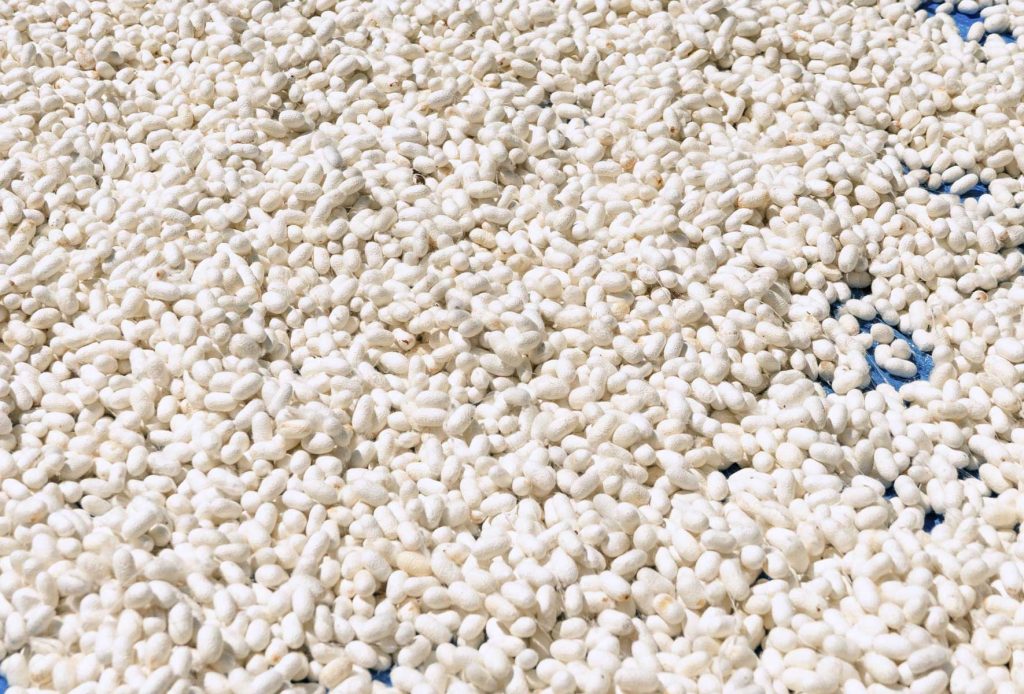
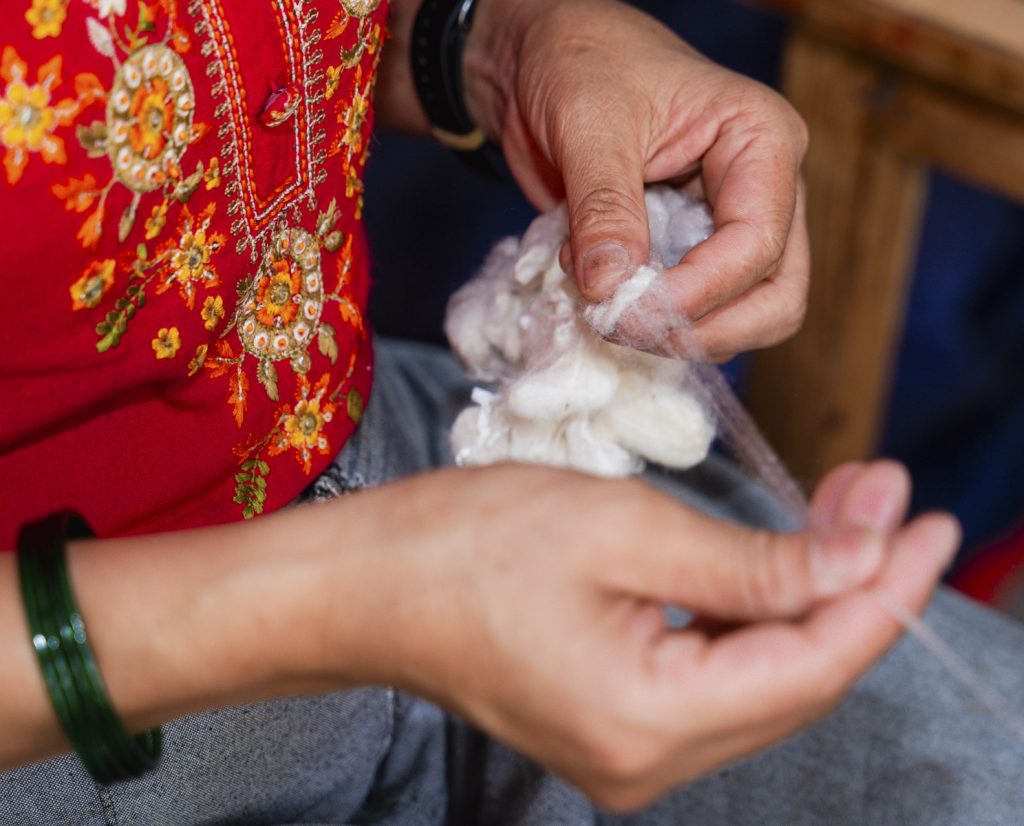
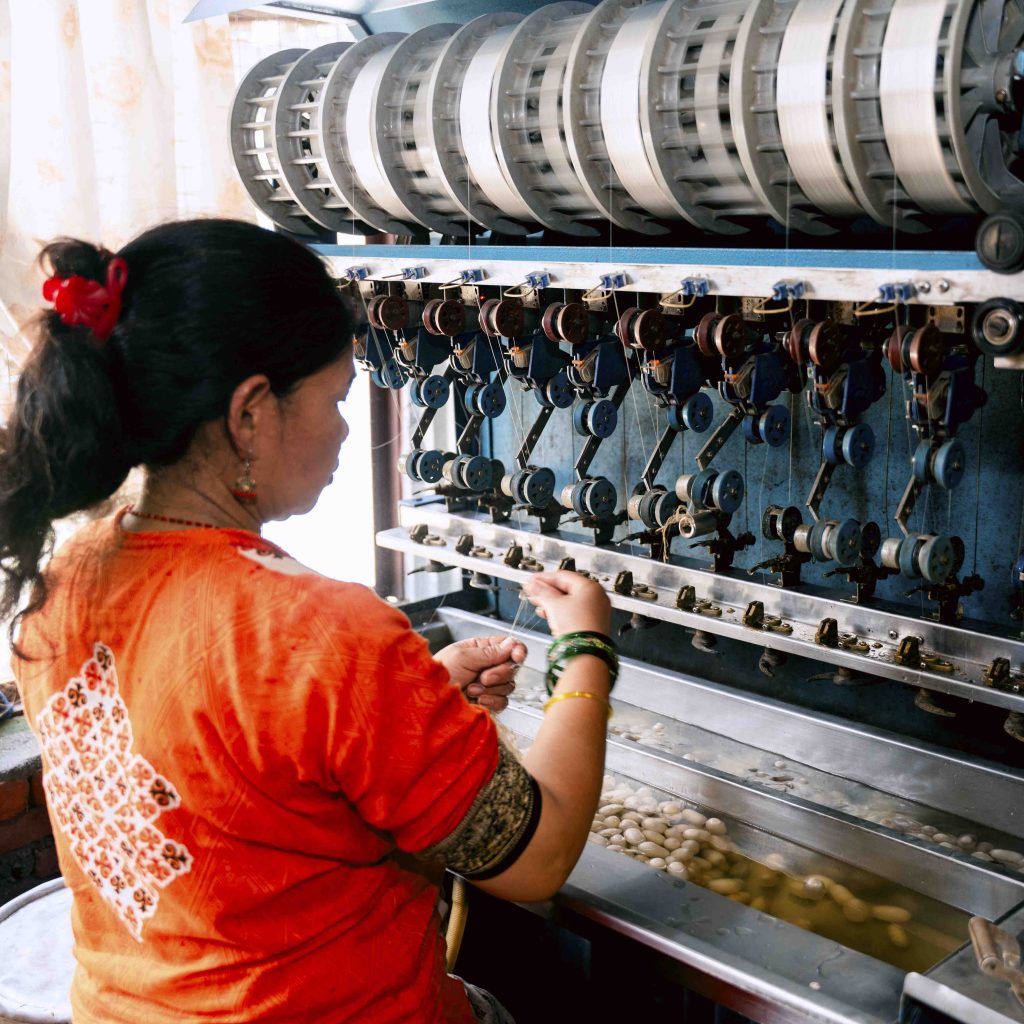
Silk production in Kathmandu

Kathmandu Valley workshop

Natural silk

Nepal Silk collective

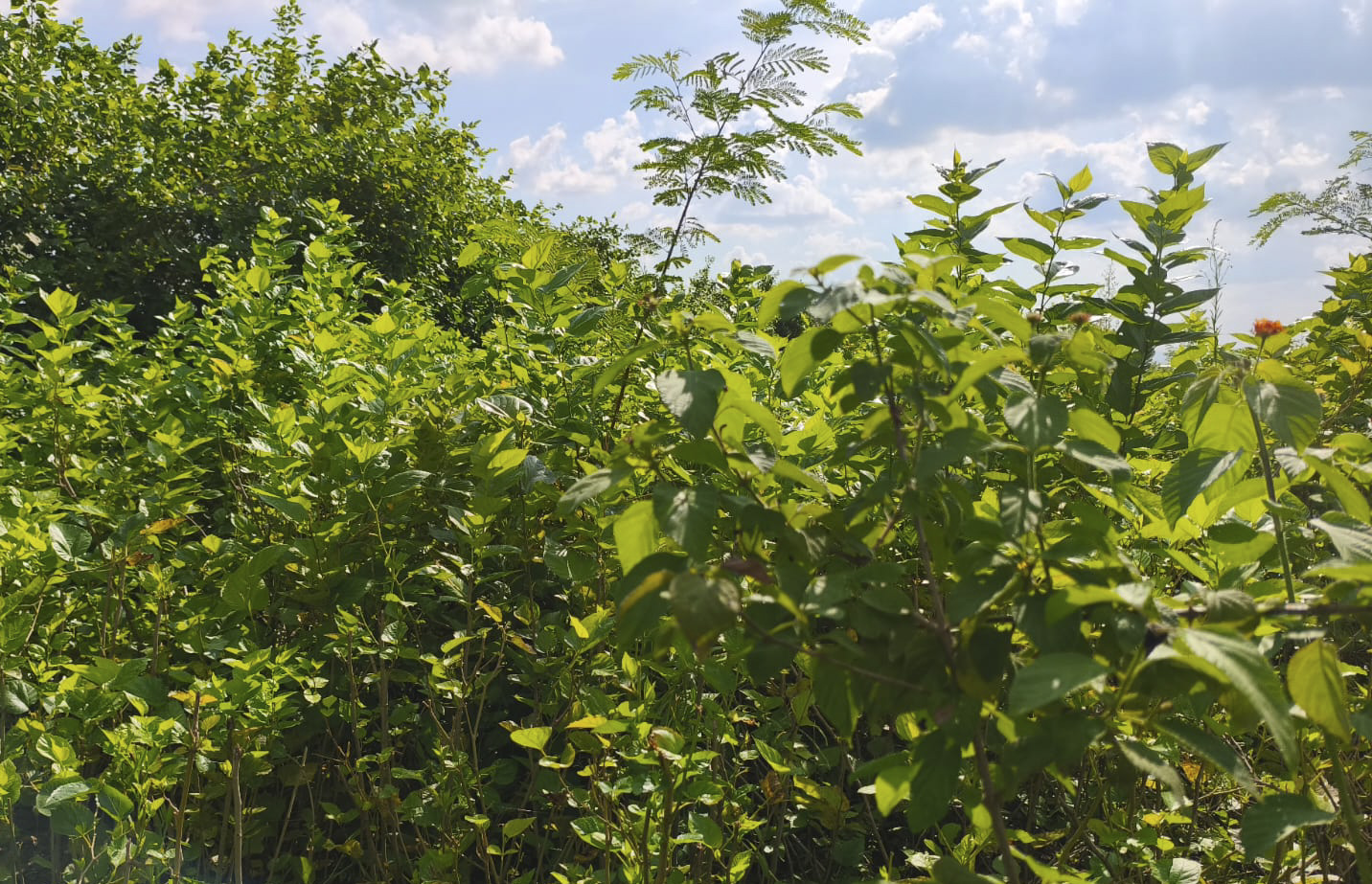
Mulberry cluster in Dang, Nepal

Lumbini provence

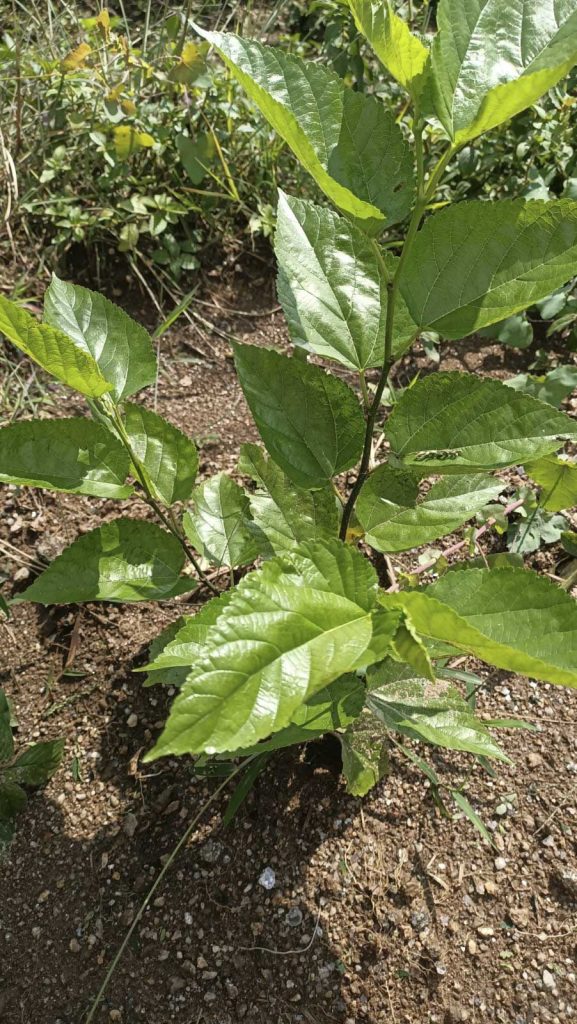
Mulberry plantation

Dang community mulberry harvesters

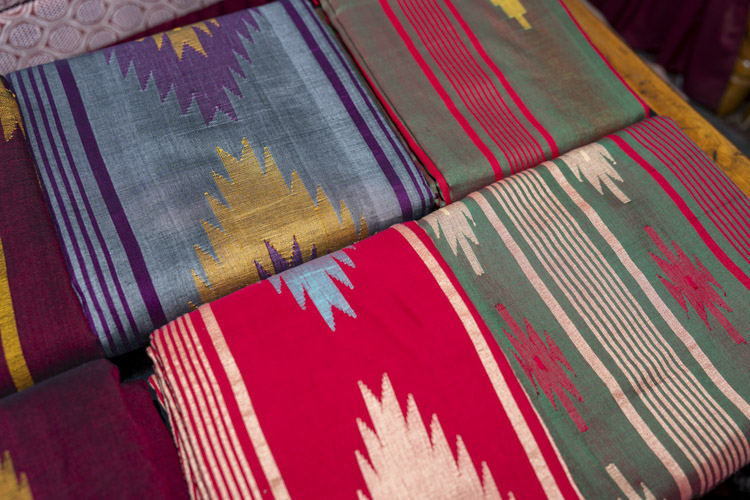
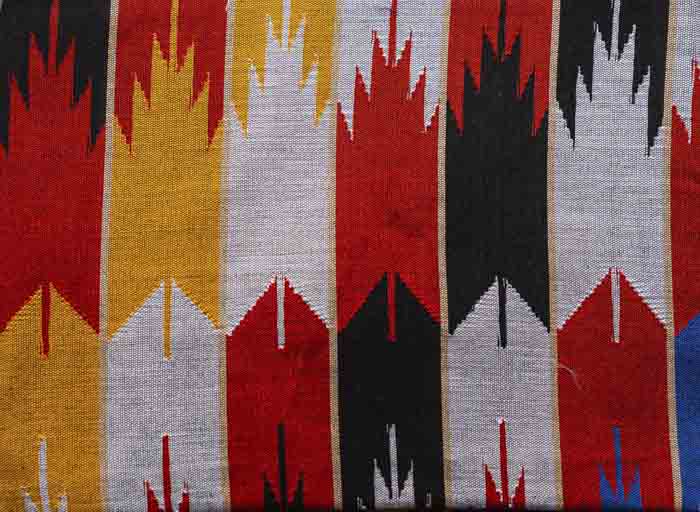
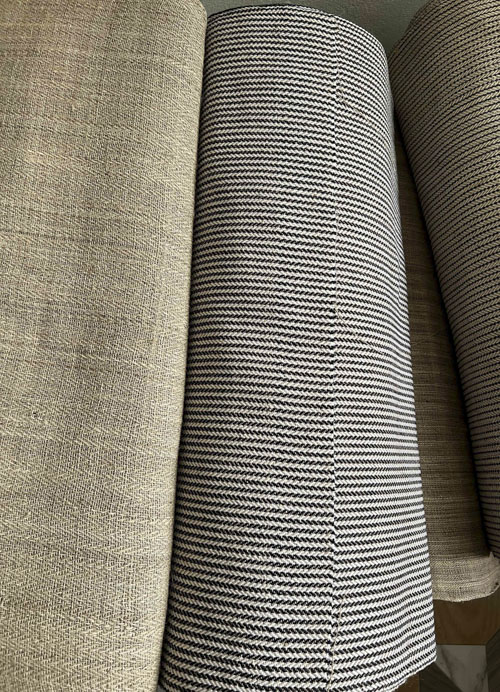
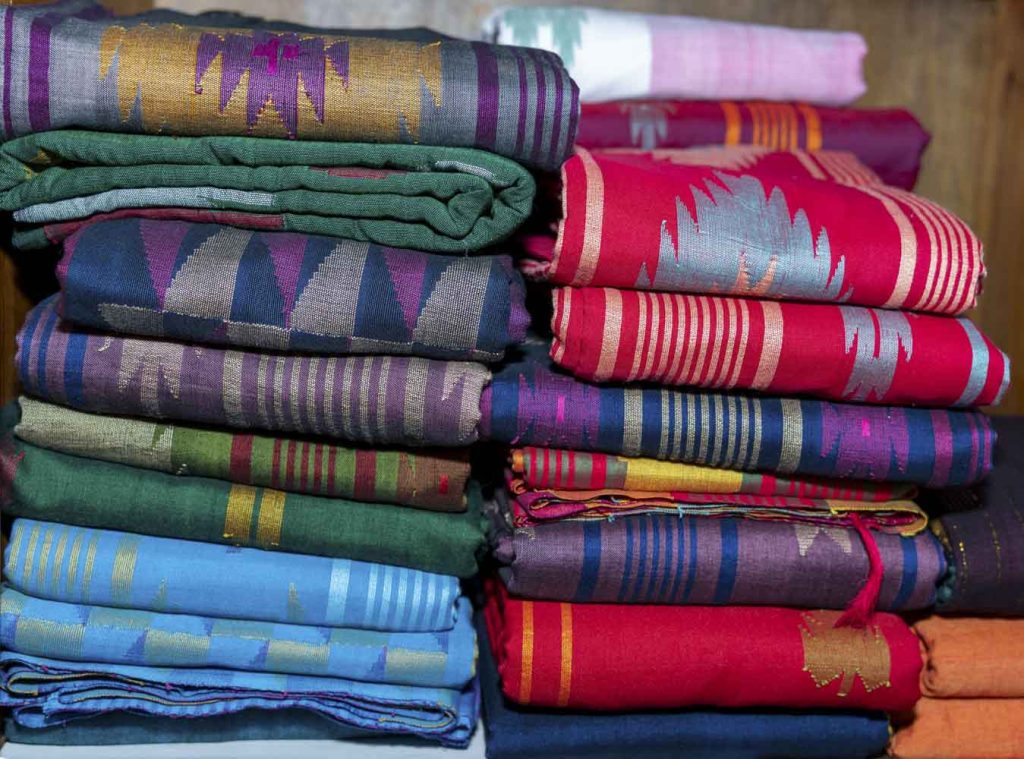
Close-up of Nepali Dhaka fabric

Palpa (Tansen)

Traditional Dhaka fabric

Dhaka weavers

Traditional Handloom· Himalayan Silk· Sustainable Hemp· Wild Nettle Fiber - Allo· Chyangra Pashmina· Organic Natural Colors· Traditional Handloom· Himalayan Silk· Sustainable Hemp· Wild Nettle Fiber - Allo· Chyangra Pashmina· Organic Natural Colors·
Who We Are

A national custodian of Nepal's textile lineage

HFMN is a national non-profit organization committed to reviving, organizing and modernizing Nepal’s handloom, silk, natural fiber, wool and natural colorant sectors.

We work at the intersection of farmers, fibre producers, weavers, artisans, cooperatives, women’s groups, youth, designers, researchers, institutions and local governments - building sustainable textile value chains that generate rural livelihoods, preserve Nepal’s textile heritage, foster innovation, and develop Nepal-origin brands with global standing.

10,000
Ropani Silk Clusters
400,000
Ropani National Vision
7
Sector Programmes
1
ESG-committed mandate
National Textile Sectors

From fibre to fabric, across Nepal

HFMN works across Nepal’s textile ecosystem - from fibre production and yarn development to weaving, design, finishing and market-ready products - strengthening heritage sectors, developing new value chains, creating rural livelihoods, and building a distinctive Nepal-origin textile economy.

Handloom

Handloom

Revitalising Nepal’s handloom heritage by supporting master weavers, strengthening traditional and improved loom practices, and building cluster-based production across the Terai, hills and high Himalaya.

Explore →
Silk

Silk

Building a national Nepal-origin silk value chain - from mulberry cultivation and silkworm rearing to cocoon production, reeling, yarn development, weaving, design and market-ready silk products - through research, training, cluster development and industry partnerships.

Explore →
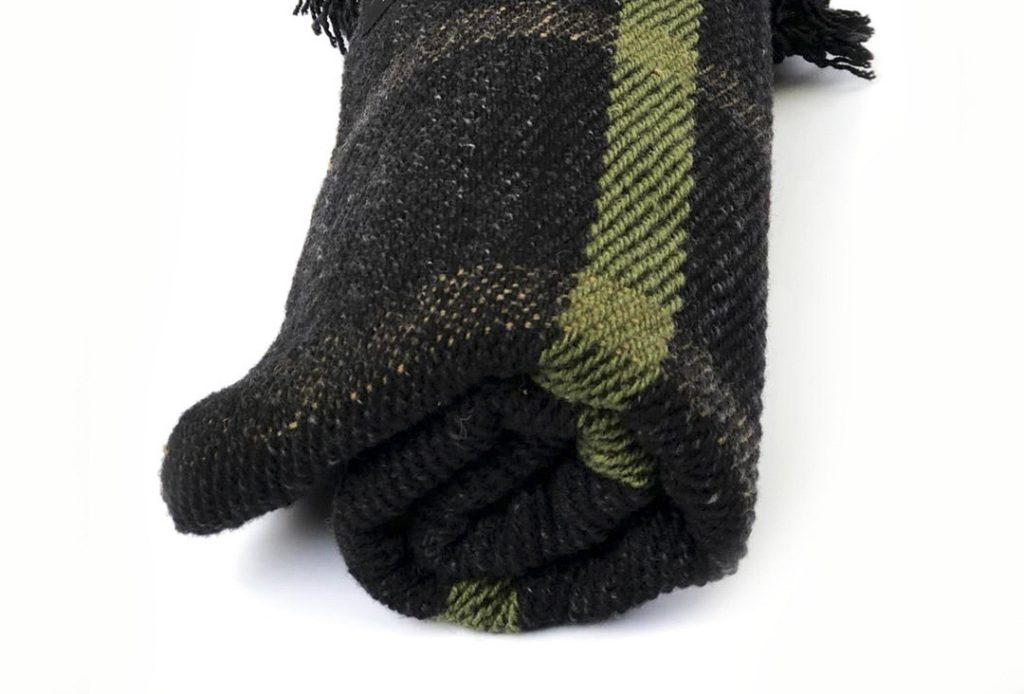
Wool

Wool

Strengthening Nepal’s animal-fibre value chains by connecting sheep wool, yak fibre, Chyangra cashmere and Angora rabbit fibre producers with improved collection, grading, processing, spinning, blending, design and market linkages - from fibre source to yarn and finished textiles.

Explore →
Natural Fibers

Natural Fibers

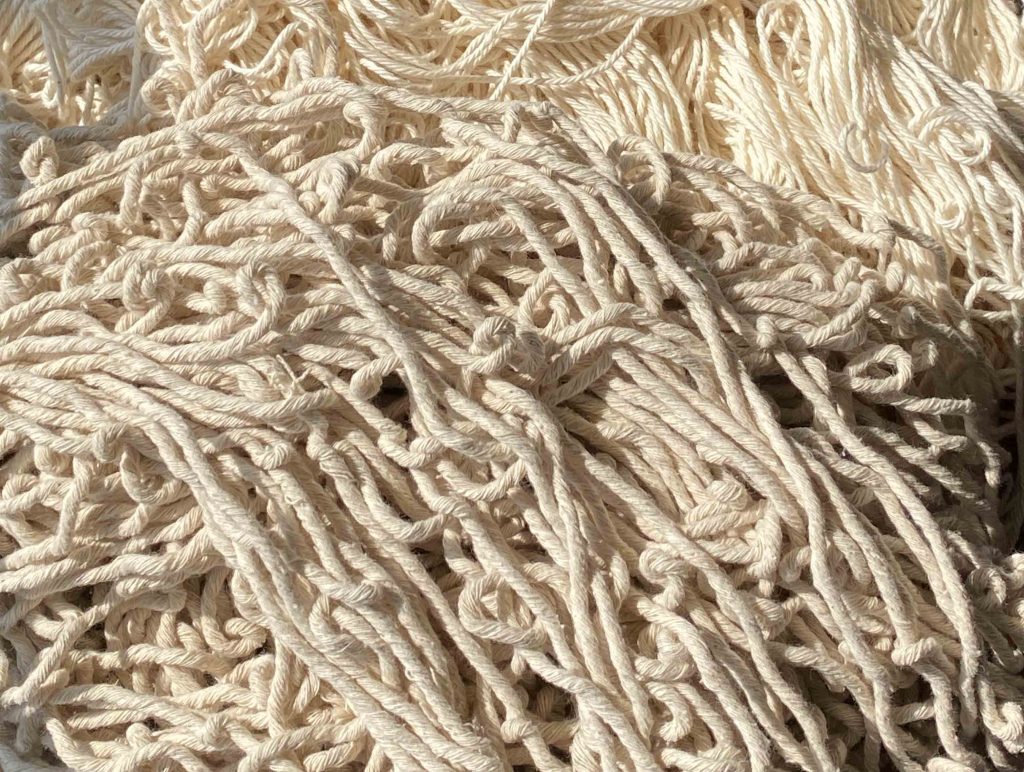
Developing Nepal’s diverse plant-fibre potential - including banana, cotton, flax, ramie and other locally available fibres - through research, fibre extraction, testing, standardisation, processing and product development to build sustainable, traceable Nepal-origin textile value chains.

Explore →
Natural Dyes

Natural Dyes

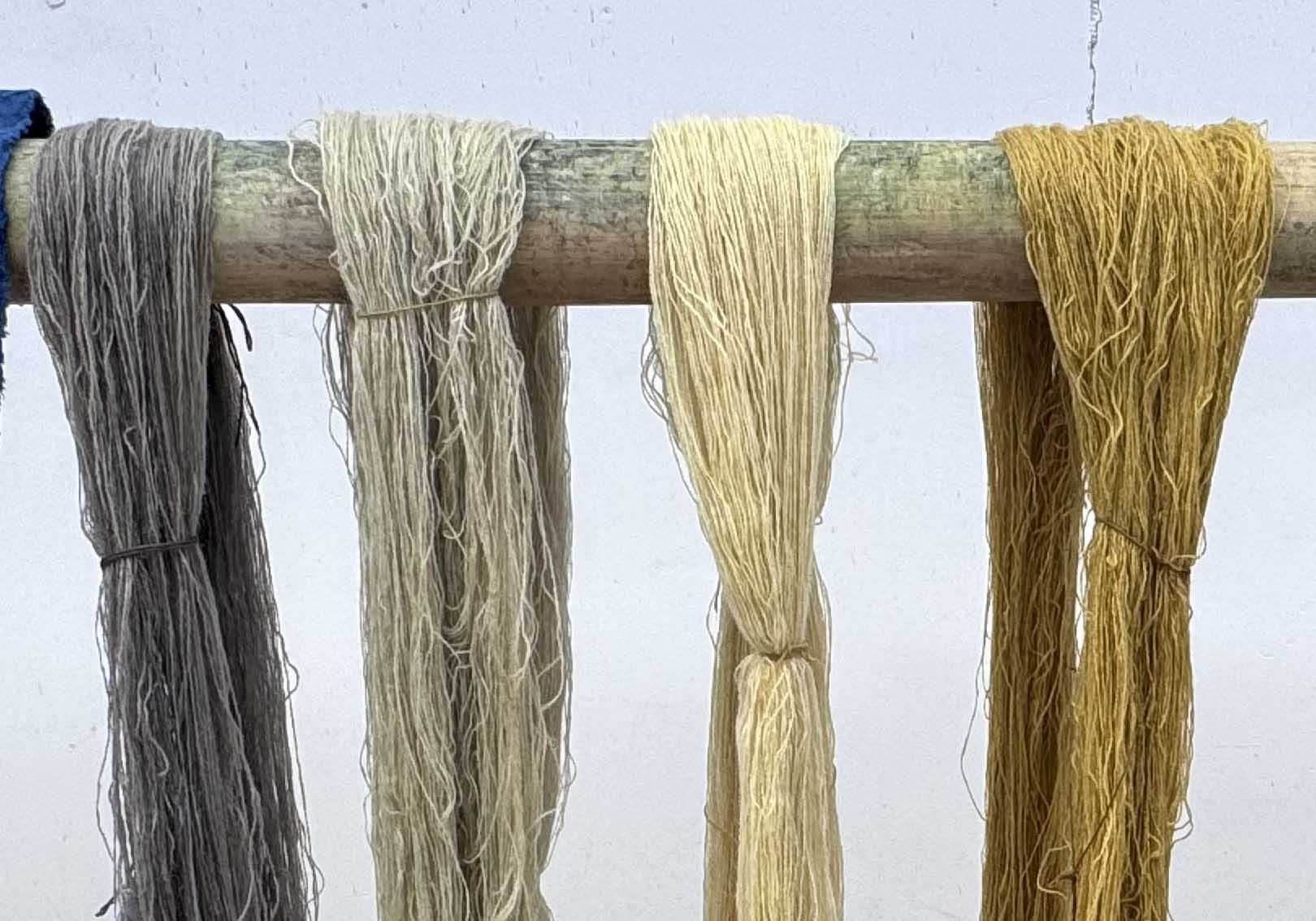
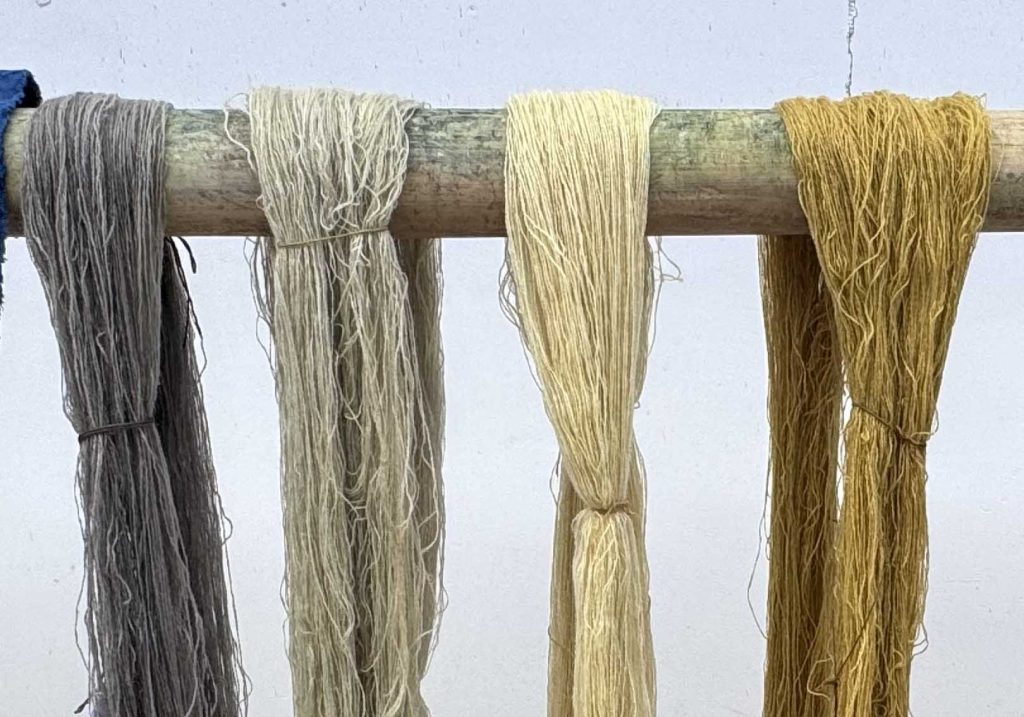
Revitalising Nepal’s natural dye heritage through indigenous colour sources such as Majitho (madder), along with roots, leaves, bark, flowers, fruits and other botanical materials - combining traditional knowledge with research, standardisation and low-impact dyeing for contemporary textiles.

Explore →
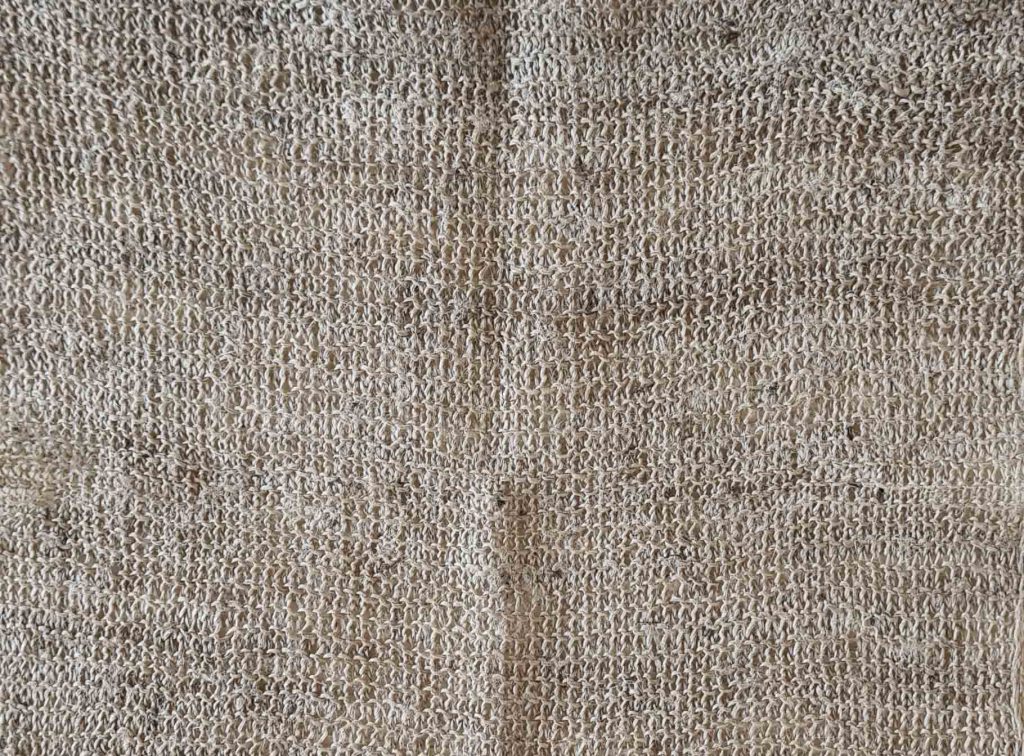
Allo

Allo

Advancing Nepal’s indigenous Allo fibre - from sustainable harvesting and community-based processing to spinning, weaving, design and premium textile products - while strengthening mountain livelihoods, traditional knowledge and new market opportunities.

Explore →
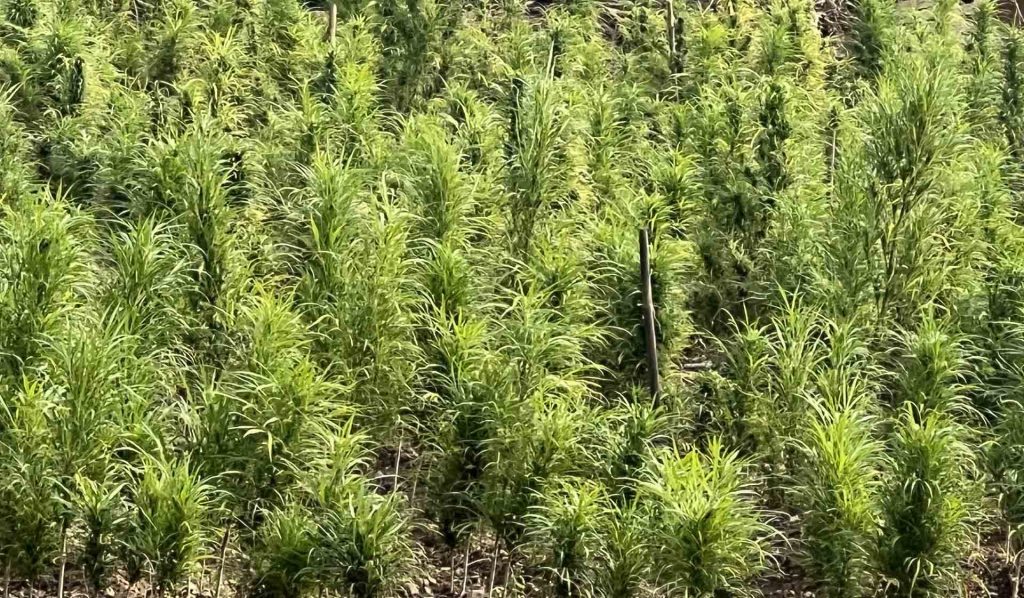
Hemp

Hemp

Developing Nepal’s hemp fibre potential through responsible cultivation, fibre extraction, processing, spinning, blending, weaving and product innovation - transforming a traditional natural resource into sustainable, high-value Nepal-origin textiles for contemporary markets.

Explore →
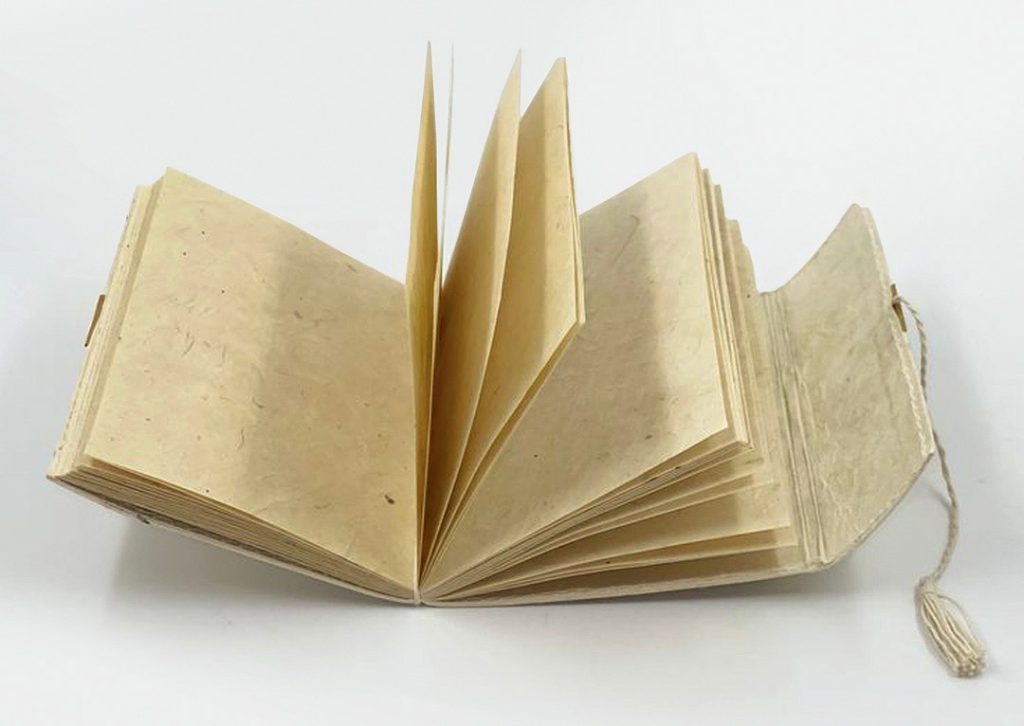
Lokta

Lokta

Expanding the potential of Nepal’s indigenous Lokta through sustainable harvesting, fibre and sheet processing, material innovation, blending and contemporary product development - linking traditional knowledge with new applications in textiles, fashion, interiors and premium Nepal-origin products.

Explore →
Fibre Blends

Fibre Blends

Creating innovative fibre blends by combining Nepal’s natural fibres—such as silk, wool, Allo, hemp, cotton, banana and other plant fibres—to improve texture, performance, durability and design possibilities while developing distinctive, sustainable Nepal-origin textiles for contemporary markets.

Explore →
Artisan & Contemporary Textiles

Artisan & Contemporary Textiles

Bringing Nepal’s artisan knowledge into contemporary textile design by connecting traditional skills, regional techniques and hand-crafted processes with designers, product developers and modern markets - creating distinctive Nepal-origin textiles for fashion, interiors, hospitality, gifting and export.

Explore →
National Functions

Building the Systems That Scale Nepal’s Textile Sectors

Beyond production, HFMN develops the research, standards, certification, skills, traceability, market linkages and ESG systems needed to strengthen Nepal’s textile value chains - helping traditional and emerging sectors grow into competitive, sustainable and globally recognised Nepal-origin industries.

Research & Innovation

Advancing applied research across fibres, yarns, dyes, weaving, processing, finishing and textile applications -combining traditional knowledge with science, technology and material innovation to develop stronger, higher-value Nepal-origin textiles.

Learn more →

Standards & Quality

Developing and promoting quality benchmarks, testing protocols and technical standards for fibres, yarns, fabrics, processes and finished products - improving consistency, performance, safety, authenticity and buyer confidence across Nepal’s textile sectors.

Learn more →

Certification & Nepal-Origin

Building credible certification, verification and origin-assurance systems that demonstrate quality, authenticity, responsible production and traceable Nepal-origin identity - strengthening trust in Nepalese textiles in domestic and international markets.

Learn more →

Skills & Textile Education

Building skilled human resources across the textile value chain through artisan training, technical education, master-weaver development, specialised occupational skills, entrepreneurship and continuous upgrading of traditional and modern textile capabilities.

Learn more →

Cluster & Value-Chain Development

Connecting fibre producers, processors, spinners, dyers, weavers, artisans, cooperatives and enterprises into organised production clusters and integrated value chains - strengthening productivity, coordination, local value addition, rural livelihoods and sector scale.

Learn more →

Traceability & Digital System

Developing systems that connect materials, producers, processes and products from origin to market - using documentation, data and digital tools to strengthen transparency, authenticity, quality assurance, accountability and Nepal-origin traceability.

Learn more →

ESG & Responsible Textiles

Advancing environmentally responsible production, resource efficiency, circular practices, safer processes, fair livelihoods, inclusion and accountable governance—helping Nepal’s textile sectors grow while protecting people, heritage and ecosystems.

Learn more →

Design & Product Development

Connecting traditional craftsmanship, indigenous materials and regional textile knowledge with contemporary design, functionality and market needs - developing new fabrics, blends, patterns, finishes and market-ready products for fashion, interiors, hospitality, gifting and other applications.

Learn more →

Market & Brand Development

Strengthening market intelligence, Nepal-origin positioning, storytelling, buyer linkages, exhibitions, design collaborations and international networks - helping Nepalese textiles reach higher-value domestic and global markets while building stronger sector and product identities.

Learn more →

Policy & Sector Development

Supporting evidence-based policy, sector planning, institutional coordination, partnerships and public–private collaboration - creating an enabling environment for investment, innovation, responsible growth and the long-term development of Nepal’s textile industries.

Learn more →
THE CRAFT, UP CLOSE

Five Moments. One Textile Journey.

From fibre at its source to the hands that spin, dye, weave, design and bring it to market, these five moments reveal the people, skills and processes behind Nepal’s textiles.

Source
Source
The journey begins where Nepal’s fibres are grown, gathered and raised - on farms, in forests and across mountain pastures. This is where materials, landscapes and rural livelihoods first become part of the textile story.
Fibre
Fibre
Raw materials are cleaned, sorted, extracted, reeled, carded, spun and prepared for use. Skill and care at this stage determine the quality, character and performance of the yarns that follow.
Craft
Craft
Dyers, loom preparers, weavers and master artisans transform yarn into textile through colour, structure, pattern and technique - carrying generations of knowledge into every woven surface.
Design
Design
Traditional materials and craftsmanship meet contemporary thinking as designers and makers develop fabrics, finishes, forms and products suited to modern life, new applications and evolving markets.
Market
Market
Finished textiles move into the world through branding, exhibitions, buyer relationships, retail and export - connecting Nepal’s materials, makers and stories with customers at home and abroad.
The Framework

ESG & Responsible Textiles

E

Environment

Advancing natural fibres, regenerative and climate-smart production, mulberry and other fibre plantations, responsible animal-fibre systems, natural dyes, low-impact processing, circular material use, biodiversity protection, water stewardship and resource-efficient rural industry.

S

Social

Strengthening farmers, fibre producers, weavers, artisans, women, youth, cooperatives and rural communities through dignified livelihoods, skills development, fair participation, cultural continuity, inclusive value chains and stronger opportunities for the next generation.

G

Governance

Building transparent, traceable and accountable textile value chains through ethical sourcing, Nepal-origin verification, quality standards, certification, producer documentation, digital traceability, responsible partnerships and sound institutional governance.

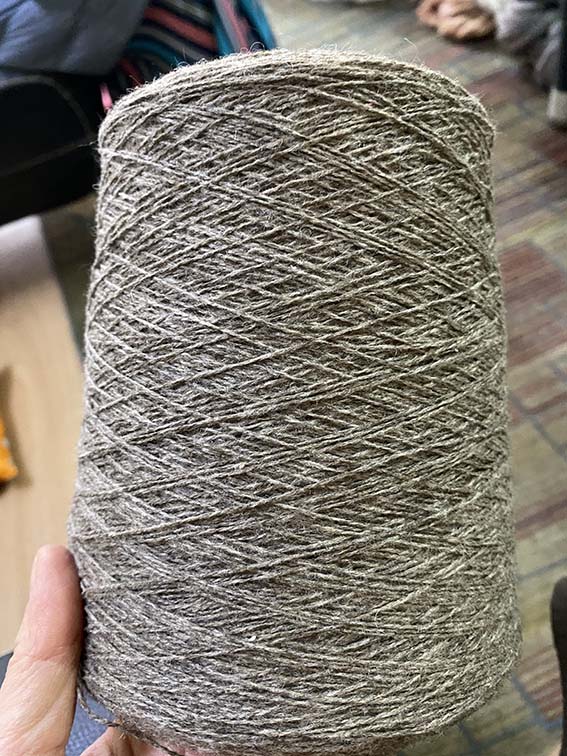
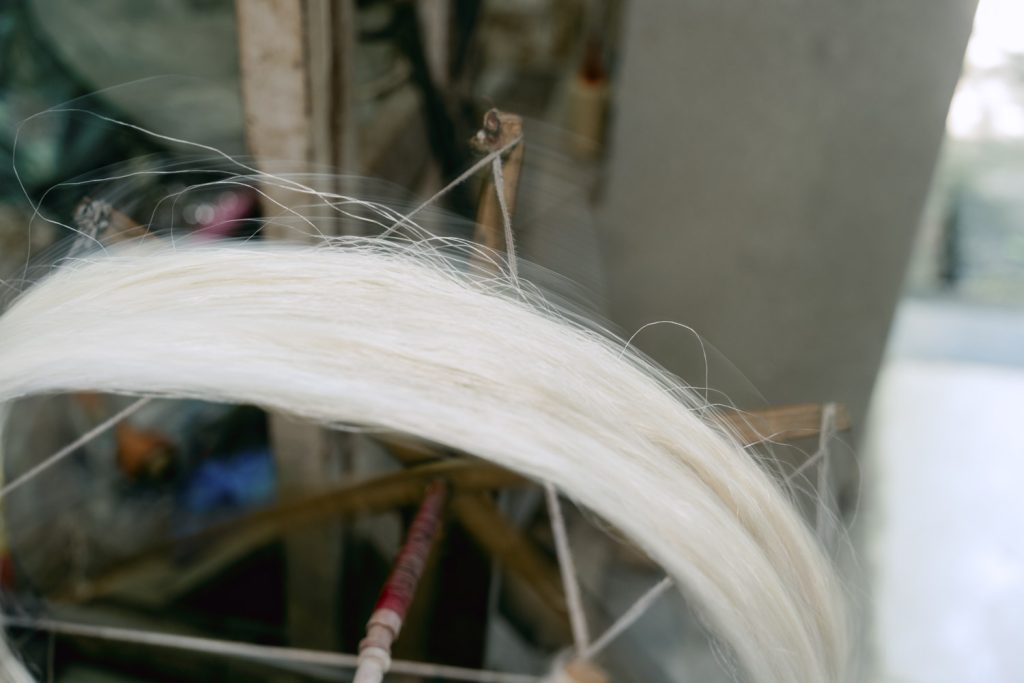
Raw Nepalese silk thread on a wooden spindle
Priority Sector

Nepal Silk — HFMN’s Flagship National Programme

HFMN has prioritised silk as a strategic national industry for Nepal - connecting agriculture, sericulture, handloom, research, rural enterprise, women and youth employment, green industry, tourism, innovation and Nepal-origin branding within one integrated development framework. From quality planting material and mulberry cultivation to silkworm rearing, cocoon production, reeling, yarn development, weaving, design, finished products and markets, the Nepal Silk Programme is being developed as a complete national value chain.

Mulberry & Planting Material → Silkworm → Cocoon → Reeling → Raw Silk → Yarn → Weaving → Design & Product Development → Certification & Traceability → Market
FROM SOIL TO SILK. FROM SILK TO MARKET.
12,500 Ropani
Cluster Model
500,000 Ropani
National Vision
Annual Conference
National Silk Conference
Scope of Work

Six Programmes. One National Textile Ecosystem.

From fibre landscapes and livestock systems to yarn, colour, weaving, design, skills, standards and markets, HFMN works across the complete textile value chain - connecting heritage, livelihoods, technology and industry development.

INTERLUDE · THE LAND THAT WEAVES ·

““From Himalayan pastures and mountain forests to mid-hill farms, Terai landscapes and the artisan’s loom—Nepal’s textiles begin with land, fibre, knowledge and hands.””

THE NATIONAL MAP

Mapping Nepal’s Textile Ecosystem

A growing national inventory of Nepal’s textile geography—mapping fibre sources, silk-development clusters, handloom and artisan regions, animal-fibre systems, natural dye resources, production communities, projects, research facilities and training centres across all seven provinces. Explore where Nepal’s textile materials originate, where skills and traditions endure, where new value chains are emerging, and where HFMN and its partners are building the foundations of a connected Nepal-origin textile economy.

  • SILK DEVELOPMENT / RESEARCH, TRAINING & INNOVATION
  • HANDLOOM & ARTISAN REGIONS
  • WOOL & ANIMAL FIBRES
  • PLANT FIBRES & NATURAL MATERIALS
  • NATURAL DYES
  • PROJECTS & PRODUCTION CLUSTERS

Basemap © OpenStreetMap / CARTO

Interlude · The Land

Where landscape becomes textile

Across Nepal’s plains, hills and highlands, every fibre carries the character of its place - its climate, soil, biodiversity, knowledge and communities - before becoming yarn, colour, cloth and craft.

THE ECOSYSTEM

One national textile ecosystem. Four institutional pillars.

HFMN - Sector Development & National Coordination

HFMN’s ecosystem brings together sector development, commercialisation, vocational skills and applied research -creating an integrated platform to strengthen Nepal’s textile industries from fibre and knowledge to enterprise and market.

UTCN - Commercialisation, Investment & Markets

United Trade Center Nepal Ltd (UTCN) develops the commercial pathway - supporting processing, product development, branding, investment, market access, distribution and export so that high-quality Nepal-origin textiles and related products can compete in domestic and international markets.

Vocational Academies - Skills, Technical Education & Workforce Development

The vocational academies build the skilled workforce required for Nepal’s modern textile economy through structured technical training, occupational standards, artisan upgrading, entrepreneurship and industry-linked education.

Nepal Silk Academy

Sericulture, cocoon production, reeling, yarn, silk weaving and silk-industry skills.

Nepal Textile Academy

Textile fibres, yarn preparation, handloom and weaving technologies, natural dyeing, textile design, fabric construction, finishing, quality control, product development and advanced textile-production skills.

Nepal Handicraft Academy

Craft production, product development, artisan skills, design application and enterprise development across Nepal’s wider handicraft economy.

Nepal Research & Innovation Centers - Research, Technology & Material Innovation

The research and innovation centres generate the scientific and technical foundation for sector growth - supporting applied research, testing, material development, process improvement, standards, technology adaptation and industry innovation.

Nepal Silk Research & Innovation Center

Research across mulberry, sericulture, cocoon, silk processing, yarn, textiles, technology and product development.

Nepal Fibre & Dye Research & Innovation Center

Research and innovation in natural fibres, fibre extraction and processing, blends, natural dyes, material performance, sustainable processing and new textile applications.
Impact Highlights
0
Farmers Mobilised
0
Cluster Regions
0+
Weavers Connected
0%
Traceable Origin
The HFMN Certification Mark

The HFMN Certification Mark

Our orb-and-peak seal represents verified Nepal-origin, quality and responsible production. Applied to qualifying fibres, yarns, fabrics and finished textile products, the HFMN Certification Mark is designed to confirm that defined standards for origin, producer documentation, processing, craftsmanship, traceability and responsible production have been met. From fibre source to finished product, the mark connects Nepal’s materials, makers and value chains with a credible system of verification - building trust in Nepal-origin textiles at home and in global markets.

In Practice

What HFMNactually does.

HFMN turns sector strategy into action - organising producers, building skills and technical capacity, establishing standards and traceability, and connecting stronger value chains with institutions and markets. From fibre source to finished textile, the objective is simple: build systems that allow Nepal’s producers, artisans and enterprises to participate in a more organised, transparent and competitive textile economy.
01
ORGANISE

Producers into clusters

HFMN brings farmers, fibre producers, herders, spinners, dyers, weavers, artisans, cooperatives and local enterprises into organised production and value-chain clusters - strengthening coordination, collective capacity, local value addition and access to shared services.

02
BUILD CAPABILITY

Skills, technology and production systems

Through vocational academies, technical partners and demonstration programmes, HFMN strengthens skills, production practices, equipment use, design capability and enterprise management across the textile value chain.

03
STANDARDISE & TRACE

Quality, ESG and Nepal-origin

HFMN develops standards, producer documentation, responsible-production practices, certification pathways and traceability systems so that fibres, yarns, fabrics and finished products can carry credible information about quality, origin and production.

04
CONNECT TO MARKET

From producer to opportunity

HFMN develops market readiness, product positioning, institutional linkages and sector visibility, while UTCN and other commercial partners connect qualified Nepal-origin products with domestic buyers, retail channels and international markets.

“ We are not simply preserving Nepal’s textile traditions. We are building the systems that allow the people, skills and materials behind them to become part of a modern national industry.
— HFMN, 2026