



About HFMN
HFMN was established in response to the growing need for:
- Institutional support for Nepal’s handloom sector
- Revival of the declining silk and natural fibre industries
- Standardization, quality assurance, and market credibility
- Policy coordination across federal, provincial, and local levels
Mandate of HFMN
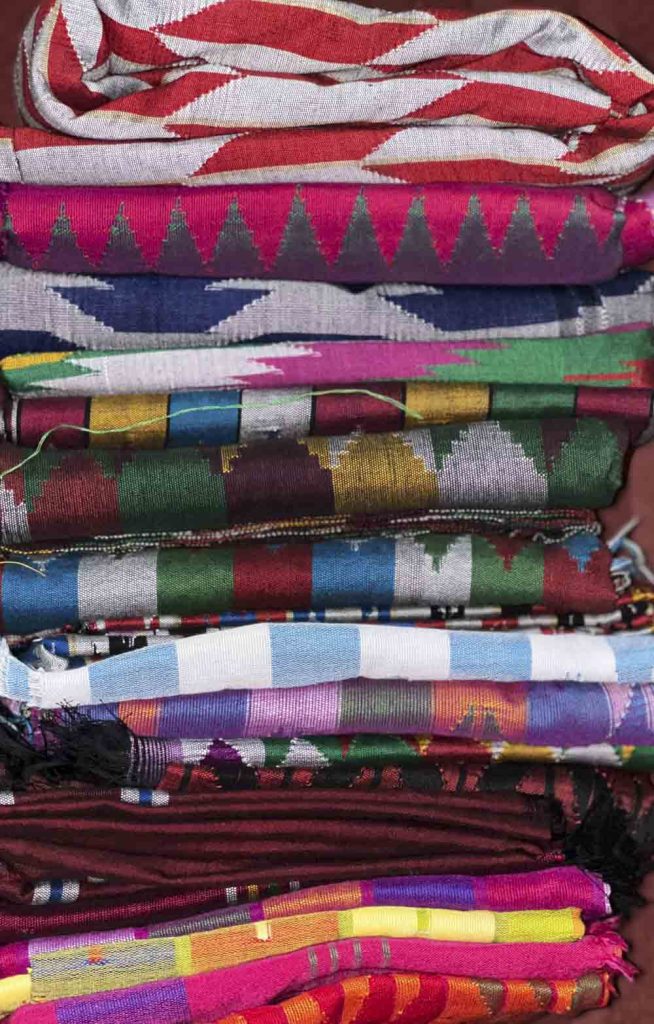
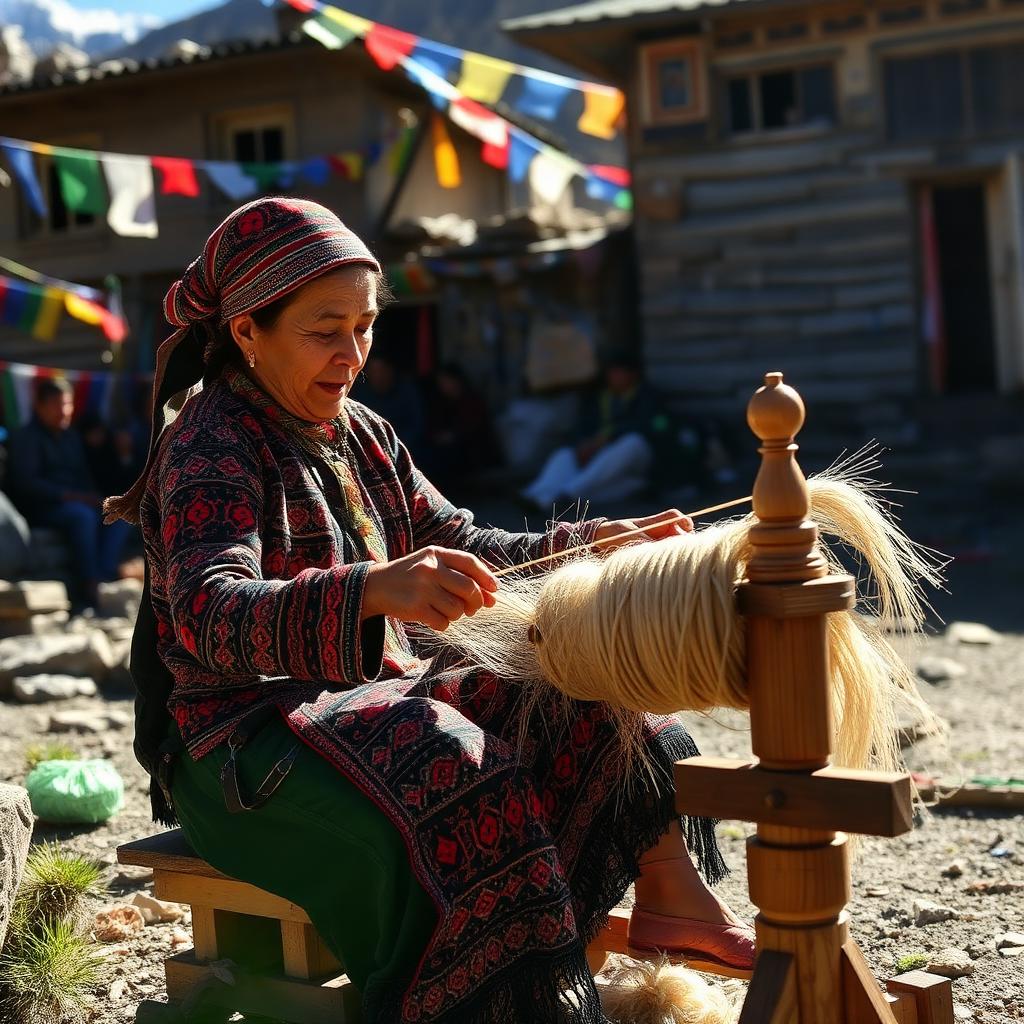
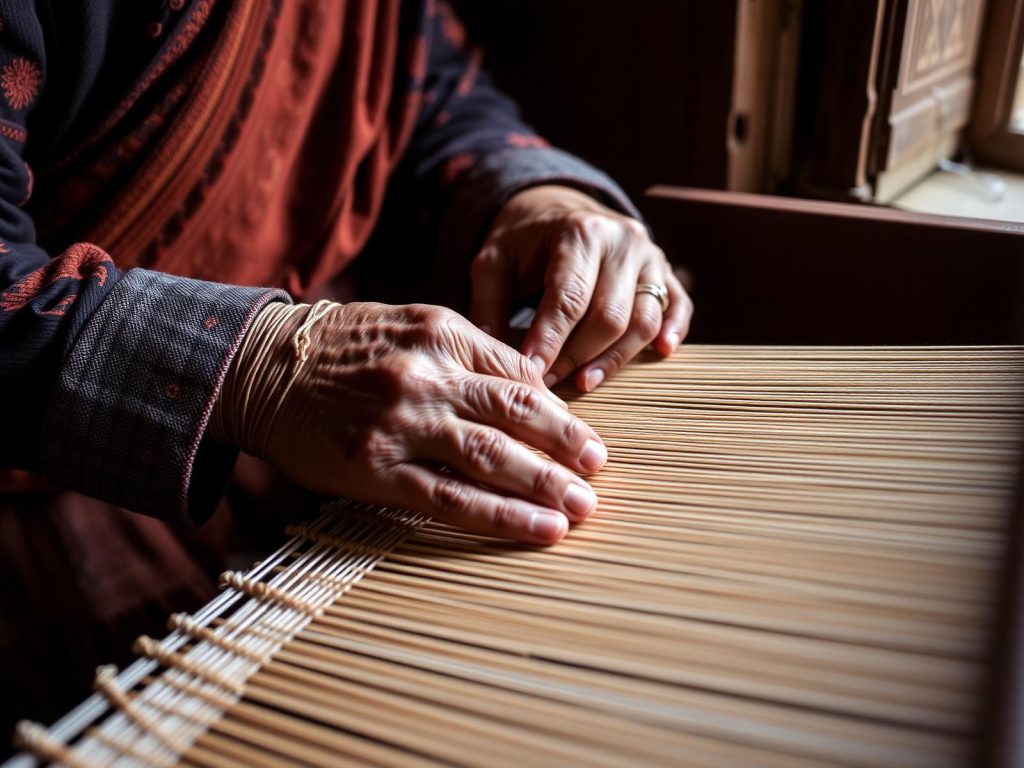
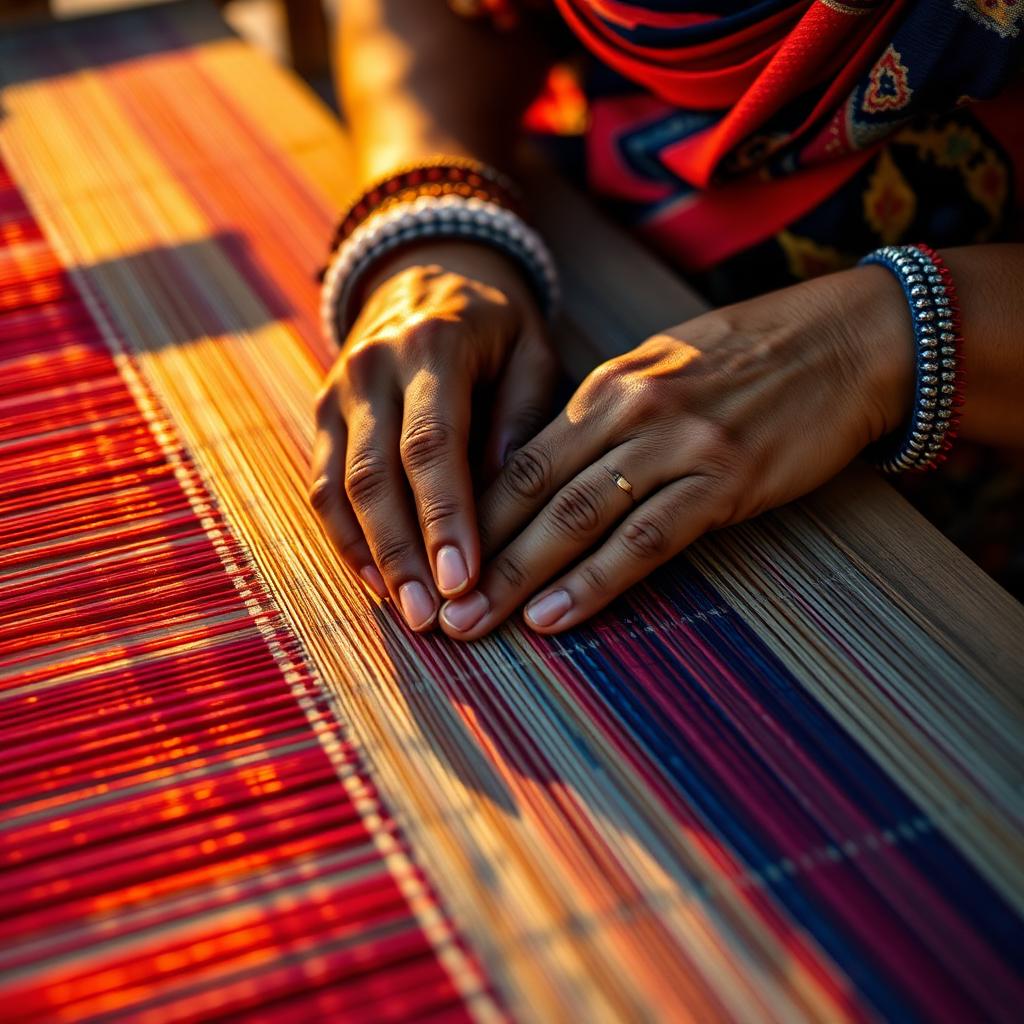
- Preserve and promote traditional handloom knowledge
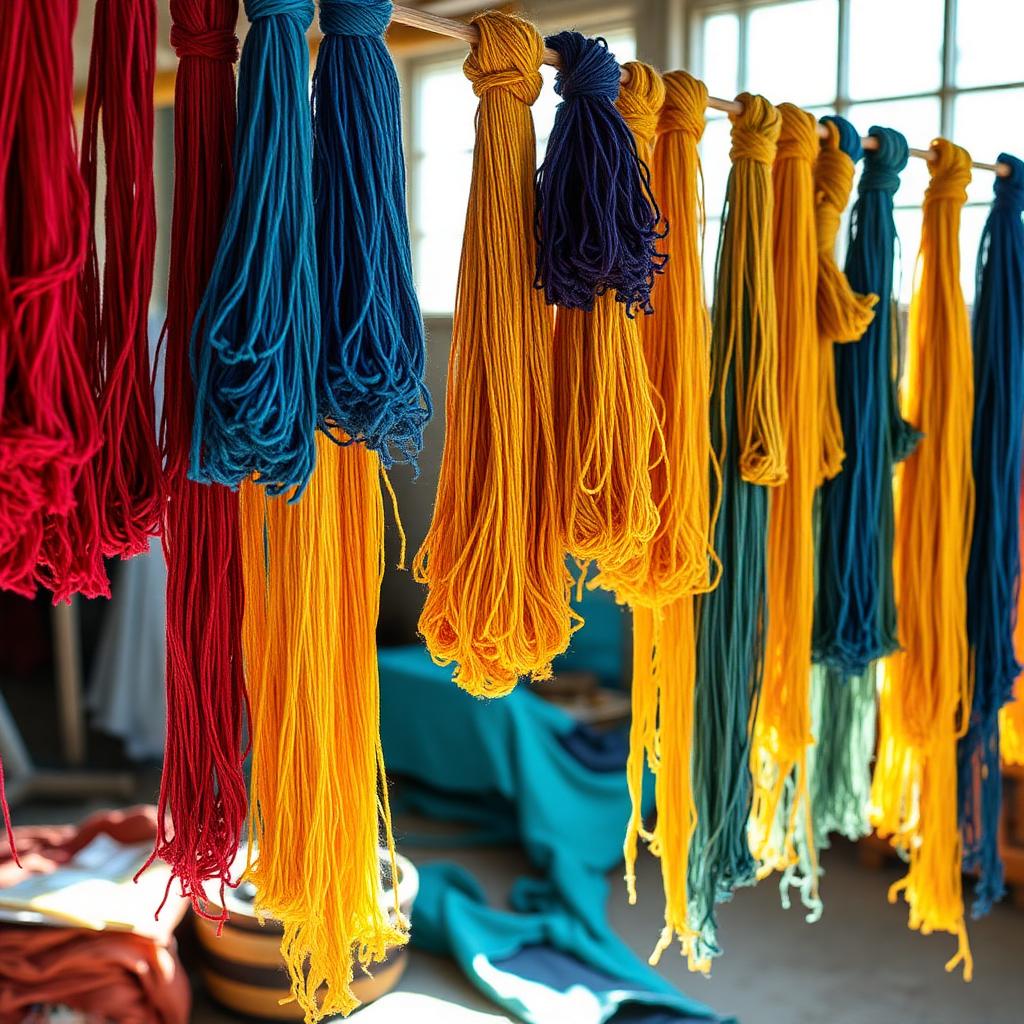
- Develop standards for raw materials, yarn, dyeing, and fabrics
- Support innovation, research, and skill development
- Strengthen entrepreneurship and market access
- Advocate for supportive policies and public–private collaboration
HFMN operates with a national outlook, aligned with Nepal’s development priorities for rural industrialization, export diversification, women’s employment, and green growth.
Objectives & Strategic Pillars

Heritage Preservation
Safeguarding Nepal’s handloom traditions and indigenous weaving knowledge for future generations.

Silk Industry Development (Priority)
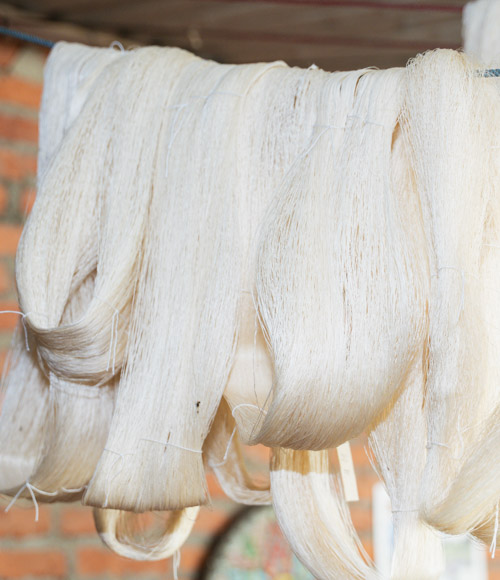
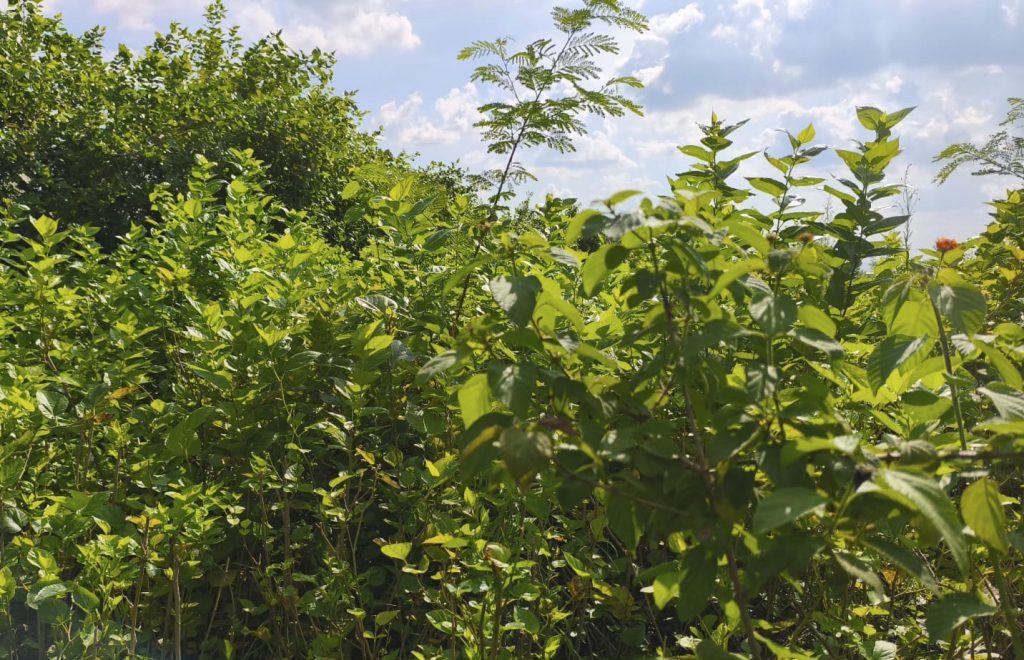
Revitalizing the silk value chain as a strategic national industry, from mulberry cultivation to finished products and exports.

Quality & Standards
Establishing norms for raw materials, yarn production, dyeing, fabric quality, and ethical compliance.

Skill Development & Entrepreneurship
Empowering artisans and producers with technical, business, and market-oriented skills.

Innovation & Design
Integrating contemporary design, research, and technology with traditional craftsmanship.

Sustainability & Ethics
Promoting environmentally responsible production and fair labor practices.

Market Access & Global Positioning
Building Nepal’s identity as a source of high-quality, sustainable handloom and silk products.

Policy Advocacy & Institutional Strengthening
Engaging with government and stakeholders to create an enabling ecosystem for the sector.
Executive Committee & Advisors
HFMN is guided by a multidisciplinary leadership structure comprising:
Executive Committee
Advisory Council
Experts from:
- Textile & sericulture
- Design & innovation
- Economics & policy
- Sustainability & ESG
- Trade, exports & investment
Provincial & District Representation
To ensure inclusive and decentralized development, HFMN operates through:
- Provincial chapters
- District-level representation
- Cluster and cooperative linkages
This structure enables:
- Grassroots engagement with artisans and farmers
- Region-specific interventions
- Better coordination with provincial and local governments
- Effective implementation of silk and handloom projects across Nepal
Partnerships
HFMN believes that sustainable sector transformation requires strong collaboration. Through partnerships, HFMN acts as a bridge between tradition and transformation, ensuring long-term impact and shared value.
Government
- Line ministries (Industry, Agriculture, Commerce, Finance, Forests & Environment)
- Provincial and local governments
- Relevant development and research agencies
Academia & Research
- Universities and textile institutes
- Design schools
- Research centers focusing on fibres, dyes, and sustainability
Development Partners & Donors
- UN agencies
- INGOs and bilateral donors
- Climate, livelihoods, and MSME support programs
Industry & Private Sector
- Handloom and silk enterprises
- Designers and brands
- Financial institutions and investors
- Exporters and market platforms
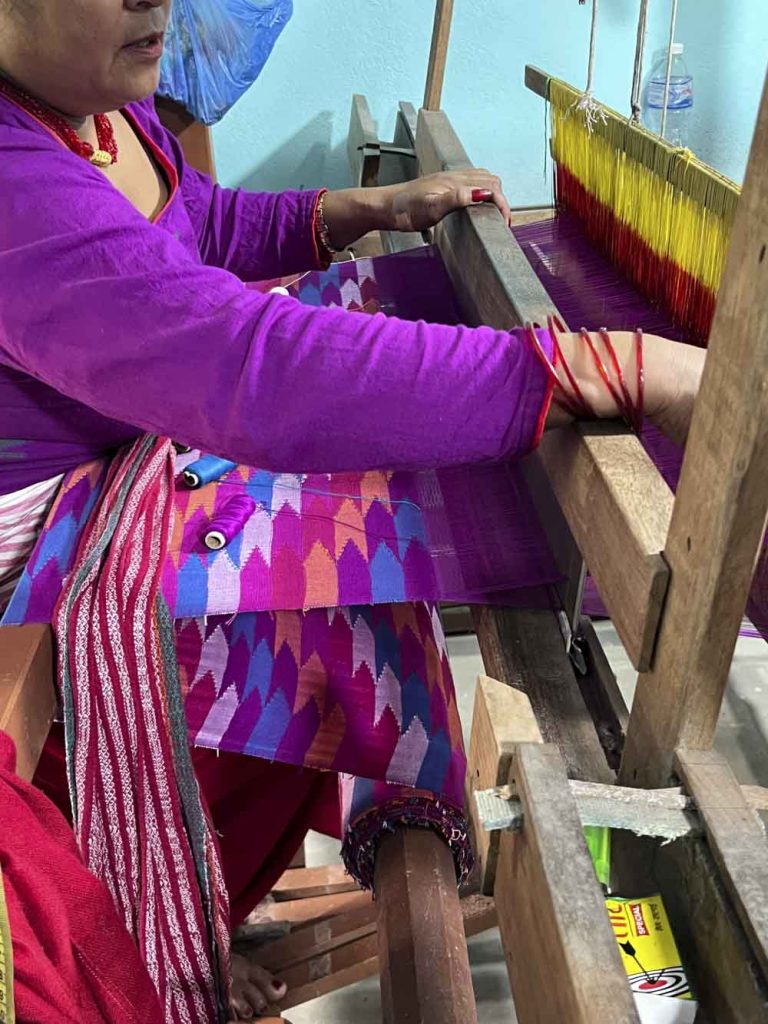
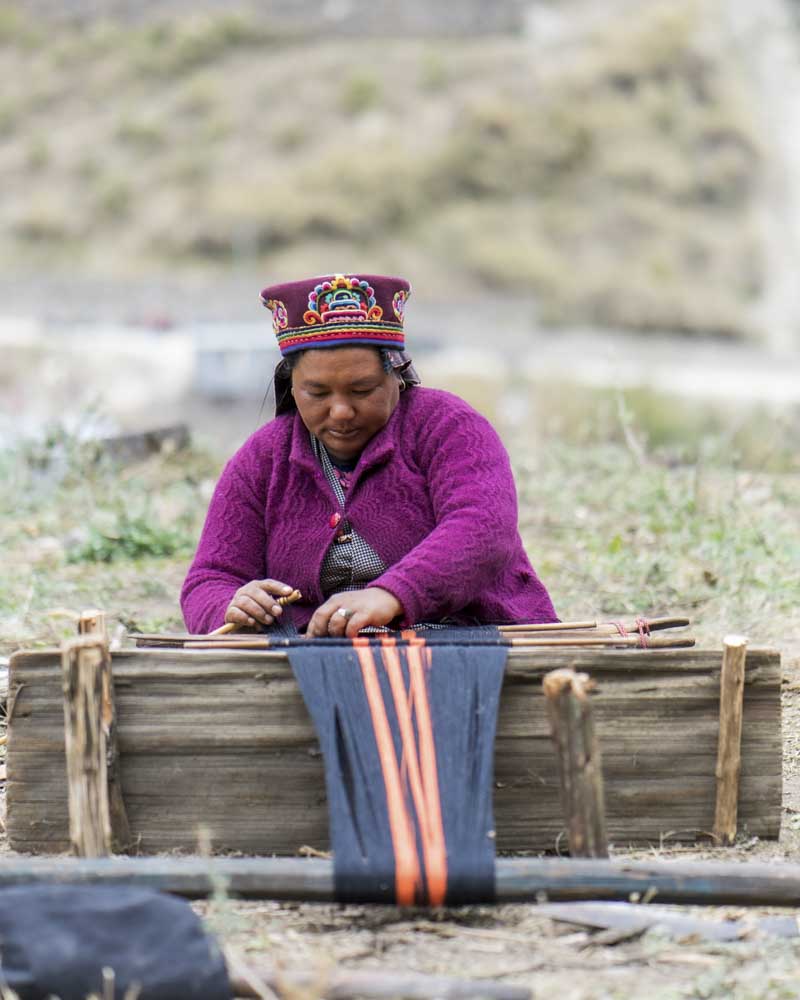
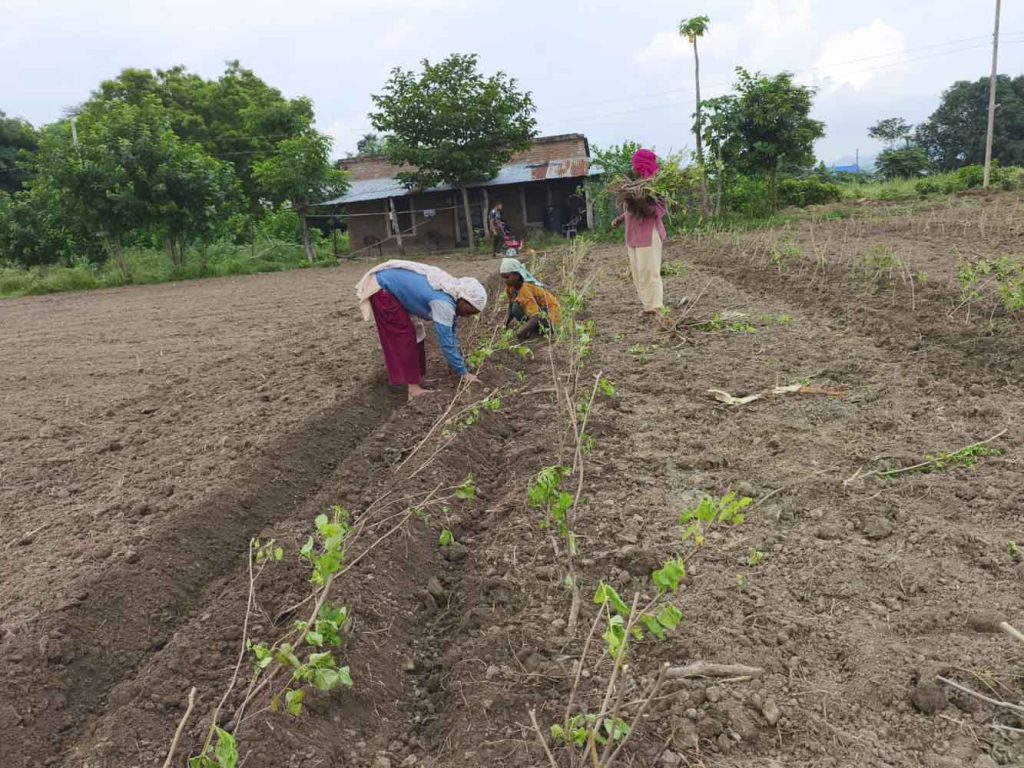
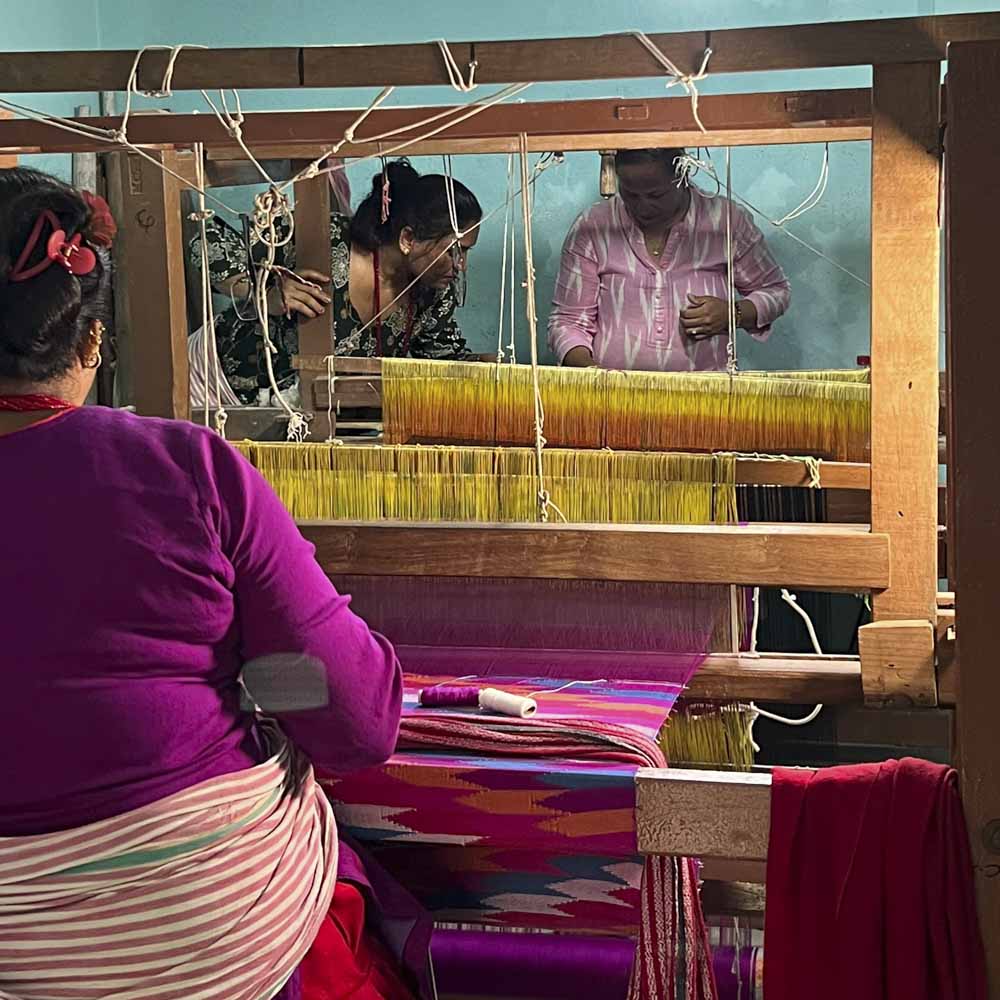
A Few Glimpse from HFMN
